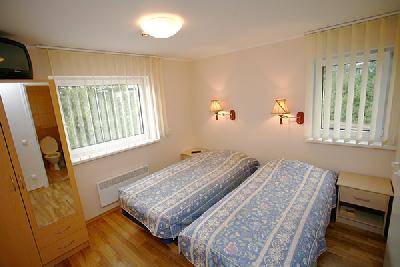
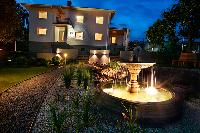
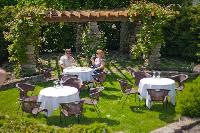
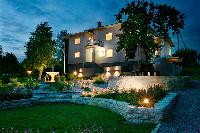
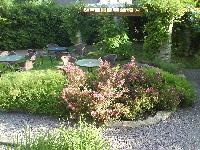
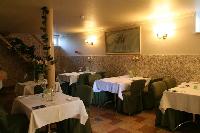
Felixi guest-house is located in Viljandi in a quiet and green Peetrimõisa garden suburb only 1.5 km from downtown. There are nine rooms in the house. In every room there is a TV-set, shower and a possibility of an extra bed. It is also possible to use a washing machine, kitchen and enjoy Finnish sauna pleasures. In case you wish, you may have a tent in the garden and it is possible to grill there. Within a couple of hundred metres there is a pine grove with a mill lake, where it is always possible to go swimming. Within a couple of minutes’ walk you can fish trout with grilling and everything that goes with it. In winter it is possible to put on skis in front of the door and there are possibilities to go in for cross-country skiing and snowboarding. In the yard there is a possibility to park.
Viljandimaa lies on the fertile Sakala Upland, which is surrounded by extensive woodlands and swamps. Its alternative informal names are Sakalamaa and Mulgimaa. The landscape is split by deep pre-glacial valleys often displaying sandy Devonian outcrops. The county has been inhabited since the Stone Age. Its centre in the 12th and 13th centuries was Lõhavere (Lehola) stronghold, the home of an ancient Estonian elder, Lembitu.
Viljandi is a beautiful, quiet garden town submerged in greenery. First mentioned by al-Idrisi in 1154 (just like Tallinn!), it became one of the headquarters of the Livonian Order in the 13th century. The Order Castle at Viljandi, built by the Knights of the Sword on the site of an old Estonian hill-fort in the 13th century. was once the largest in the Baltics. It has been in ruins since the 16th century. A suspension bridge spanning a deep valley in the castle park is one of the symbols of Viljandi. It was originally built in Riga in 1879 and sent to Viljandi by a German count. The ruins on the hill offer a breathtaking view over Lake Viljandi, which is perfect for swimming and boating. Viljandi is also famous for the Ugala Theatre and annual folklore festivals.